Fertile Ground
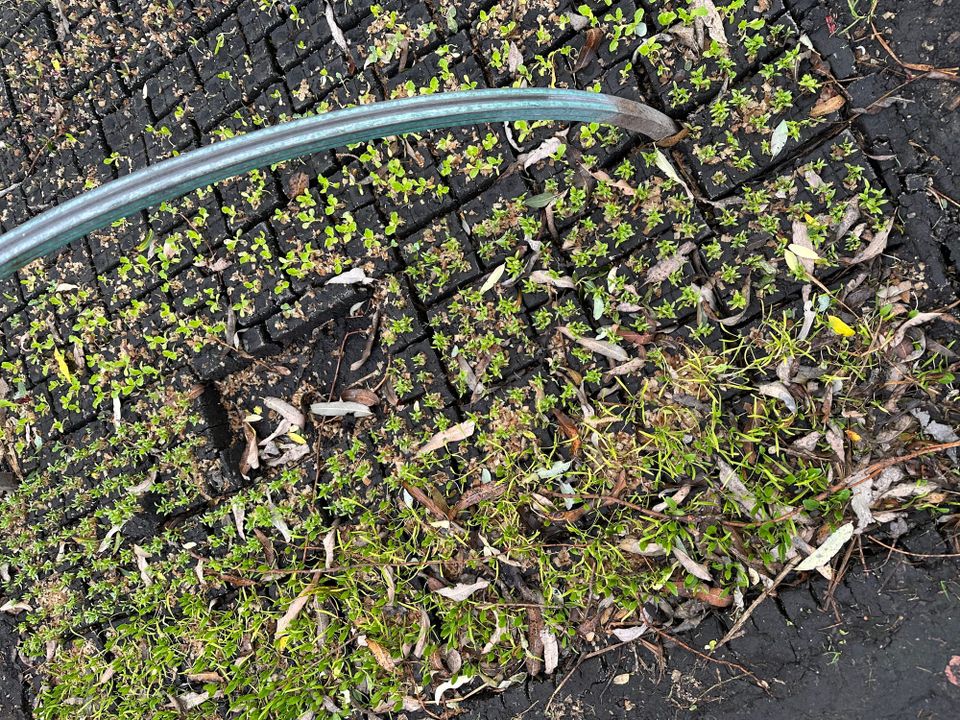
For seedlings to grow into large plants, fertile ground is necessary. This is as true for nature as it is for new ideas.
Ideas play a big role in my life — after all, I am one of the co-founders of one of the first Innovation Consultancies in Europe — BrainStore. For more than 20 years, I have refined methodologies and processes to support organisations in coming up with innovations for processes, new products, services or change in general and have learned a lot about what is necessary for ideas to grow, prosper and be successfully implemented.
One thing that is striking to me is how simple it is to crush a new idea (a little seed) before it is even understood.
There are many reasons this is happening, and for me it mostly has to do with the fertile (or infertile) ground on which these small ideas are planted. Another word for this ground is the culture.
Does the culture encourage divergent thought, speech and ideas? Does it provide ample opportunity for everyone to voice new thought without judgement, ridicule or criticism? Does it cultivate scenario building («what would happen if we actually pursued this?»). Does it provide time and experimentation space for new ideas, at the risk that all ideas have — failure?
Having or not having a culture like this sets the conditions for small seeds to grow into big plants. And as with seedlings, some will thrive and grow, while others will wither and die.
One small thing you can start doing in your meetings is to make it a rule to «hype» new ideas together for a few minutes. Make it clear that if someone voices an idea that has not been heard before, everyone elses job is to find good reasons why this idea could work and to voice them. Give a little plant 5-10 minutes of time to be admired, watered and enriched. And see where it wants to go from there.
Member discussion