Purpose — your loyal guide through every storm.

My life falls into two eras: the one before I could name my purpose, and the one after. The second era is now about 12 years long.
When I was building big things without a clear sense of why, I was often in despair. Things felt off. Difficulties seemed insurmountable. Looking back, I had a purpose all along — I just couldn't articulate it. That gap, it turns out, made all the difference.
Here's how purpose became central to my life, and how it guides me today.
Parenting
One of the first purposes I ever named clearly was for my parenting: to support my children in becoming authentic, self-determined adults who are aware of their own needs and attuned to the needs of others. The shorthand: «Hands Off Parenting». It still serves me now that my children are grown-ups — and it shapes how I grandparent, too.
Republik
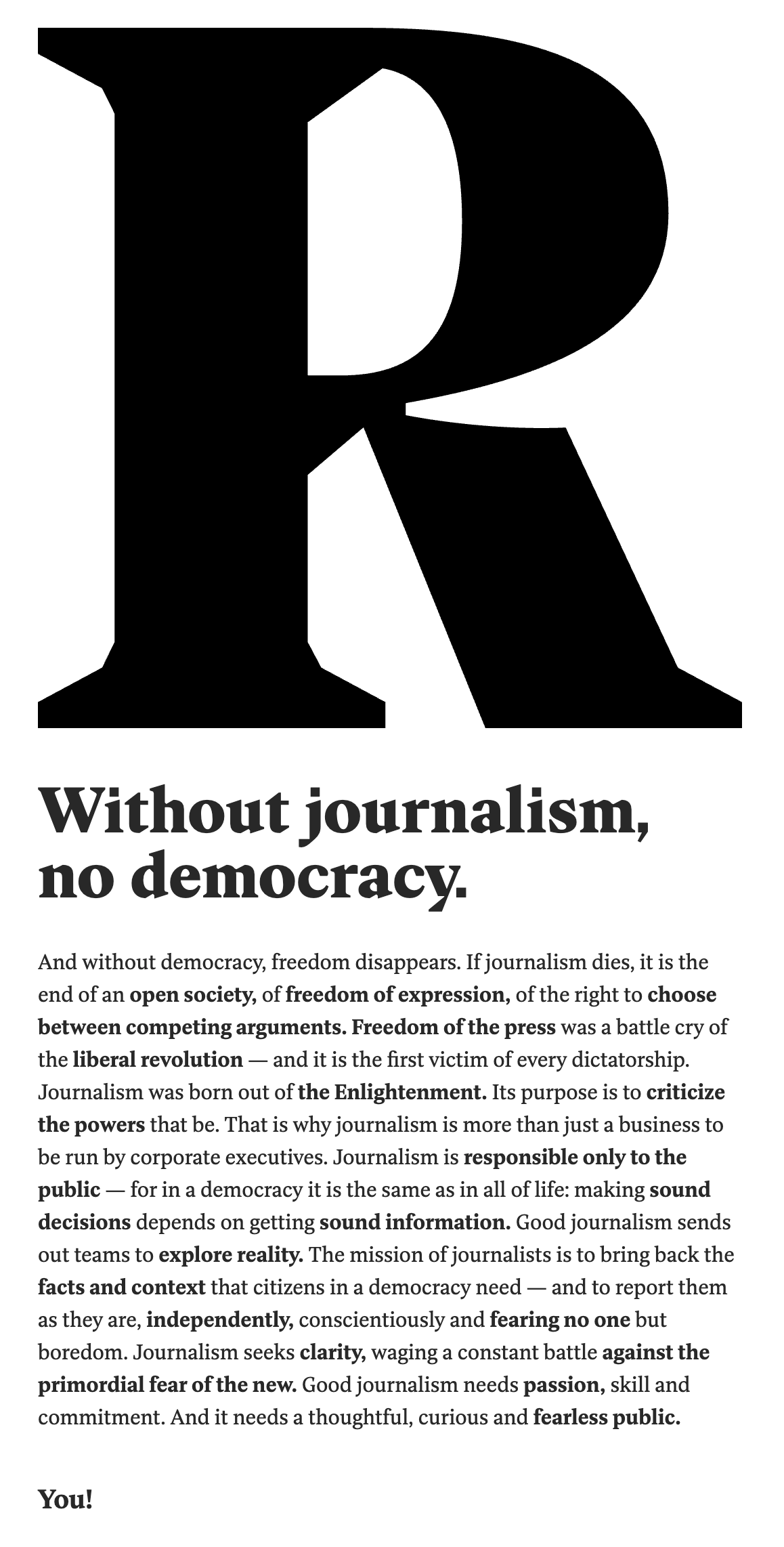
Another turning point was co-founding a media company with friends in Zürich. We wanted to show that truly independent journalism is possible — independent from advertising money, shareholder logic, and political influence. Today, Republik has 36,000 readers and is funded exclusively by them. The company cannot be sold, the editorial team is free from outside influence, and they do what we believe journalism should do: inform people so they can make their own decisions.
To make this purpose visible from the start, we wrote a manifesto. That purpose has kept this small but powerful company on track ever since — through all kinds of challenges. Sticking to it has never been one of them. Again and again, Republik publishes stories that hold powerful organisations and state actors accountable.
Purpose as a practice
While building Republik, something else became clear: when you build something with others, it really helps to know the «why» of each person who joins. Our brains tend to assume the others are here for exactly the same reasons we are. Spoiler: that is almost never true.
My friend and co-founder Laurent and I didn't have that awareness during the Republik years. But after we left, we took time to think deeply about purpose — individual purpose, team purpose, organisational purpose, and also the purpose of things (meetings, projects, decisions).
We started with the personal. If people know their own «why», collaboration gets easier — because knowing your purpose means being centred rather than insecure.
We experimented a lot, and out of that came a small seed: a little book, much like a Dr. Seuss story, called «Purpose Changes Everything». Have a look!
From there, we went on to work with teams, departments, and whole organisations — not just defining purpose, but helping people connect to it. Understanding what it means for them personally. Thinking about how they contribute to it.
That work remains a core part of what I do today.
My own purpose
I developed my personal purpose together with two people from our Purpose Community, who helped me define and formulate it. Since 2019, I've been revisiting and renewing it regularly. It doesn't change completely — but nuances shift, usually because my awareness has deepened somewhere. Getting familiar with Nonviolent Communication (developed by Marshall B. Rosenberg) helped me understand my own purpose more clearly, for instance.
My current purpose statement lives on my phone's home screen. I see it every day.
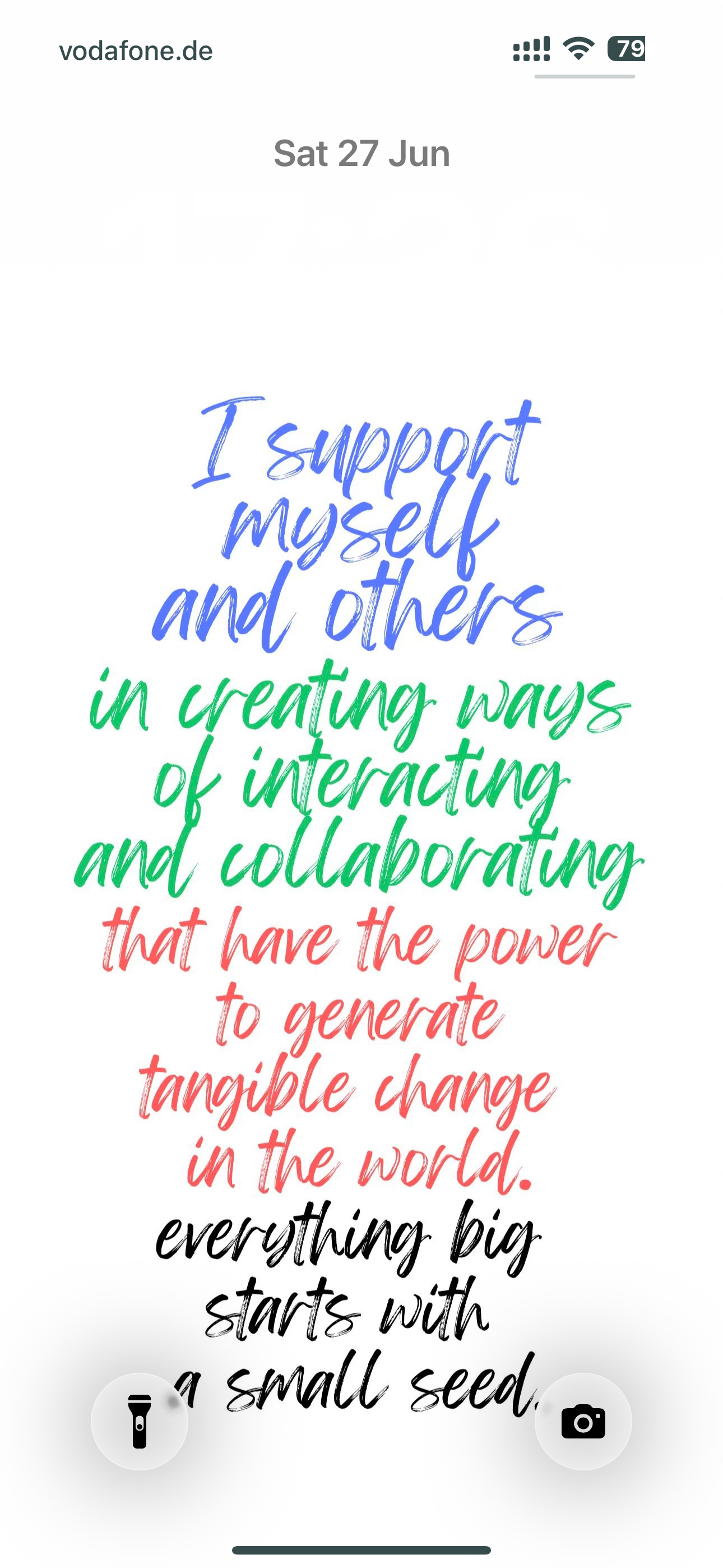
Being connected to it supports me in all kinds of situations:
- when I take decisions
- when I'm stuck
- when I doubt whether what I do has meaning
- when something or someone pulls me off track
- when I'm asked to take on new work
Purpose works like a filter for everything — the decisions I make, the work I accept, how I design that work, how I relate to people.
Having a clear purpose for myself and for everything I do is what allows me to help small seeds grow.
Member discussion